
User Stories

User Experiences & Lab Trend Results

Written testimonials, video reviews, and before-and-after lab trends from users who consented to share. Only initials and age range are shown. All entries are reviewed before publication.

We're collecting user stories — in the meantime, see real case trends below.

Individual experiences; results differ from person to person and are not an endorsement of treatment results · Published with the data owner's consent and reviewed before publication

Real Trends from Real Cases

Trends the physician tracks across multiple visits — pre-chronic disease markers, recovery & physical performance, and biological age

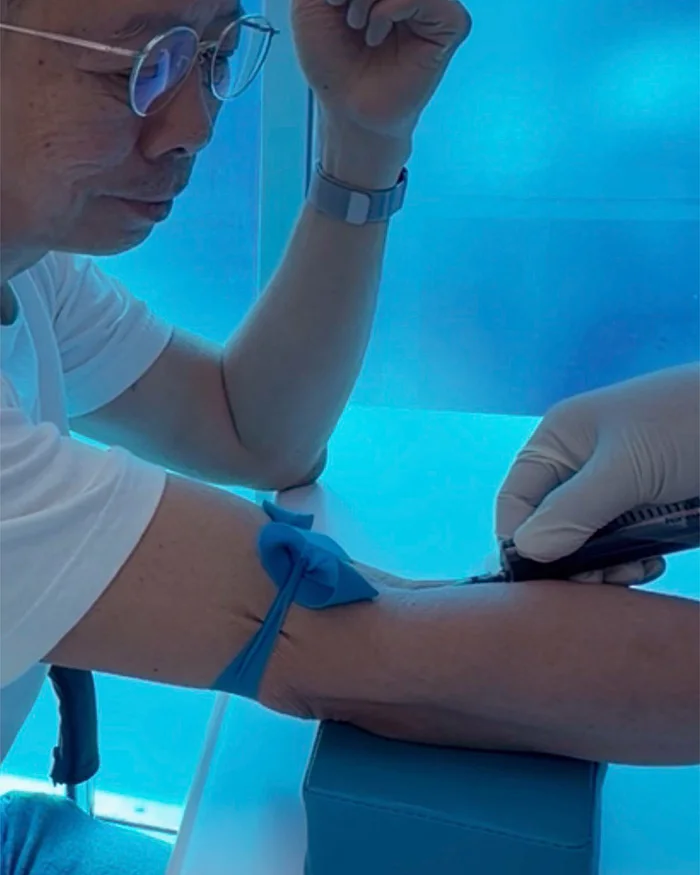
Blood draw for the Foundation Panel at AGEPATTERNFoundation · NCD Risk

Pre-NCD trend

Male patient, 60s · started with the Foundation Panel

Month 0Month 3Month 6

hs-CRP

3.4 → 0.9 mg/L

Fasting Insulin

14.8 → 8.6 µIU/mL

Omega-3 Index

4.1 → 7.8 %

Inflammatory and metabolic values that were previously out of target moved into range within 2 blood draws. The physician uses this trend to decide whether more Corrective is still needed or whether it is enough.

This tracks biomarker trends associated with long-term NCD risk. It is not screening or disease diagnosis.


Wearing a wearable device to track HRV and daily recoveryAdd-on · Recovery & Performance

Recovery and physical performance trend

Male patient, 50s · 12 weeks of continuous wearable data

Week 1Week 6Week 12

Average HRV

31 → 54 ms

Resting HR

68 → 58 bpm

Deep Sleep

11 → 19 %

Daily wearable data shows recovery patterns that a lab draw every 3 months cannot see. The physician uses this trend to adjust the Add-on protocol to the body's actual rhythm.

Dr. Bunlue Kongchai reviewing a biological age trend with a patientFoundation → Corrective · Biological Age

Biological age trend, under physician review

Reviewed with the physician at every blood draw

Month 0Month 6Month 12

Biological Age Δ

2.4 → -1.3 years

DunedinPACE

1.08 → 0.91 pace

Ferritin

210 → 95 ng/mL

The biological age trend and markers related to long-term cellular aging are reviewed by the physician at every draw to see the overall health direction — including factors associated with long-term cancer risk.

The system does not screen for or diagnose cancer. The values shown are biomarker trends that the physician uses to support clinical judgement, not diagnostic results.

Already an AGEPATTERN user?

Share your experience or lab trends from your dashboard. You choose what to show, and you can withdraw consent at any time.

Share Your Experience